
How to Scale Your Niche Brand Without Hiring a Full Operations Team

The traditional path to growth often suggests a massive hiring spree: building out a full operations team, leasing warehouse space, and managing a growing payroll. But for independent businesses and niche brands, this path is often fraught with unnecessary risk and high overhead. In practice, there is often a more efficient, lower-risk way to scale.
By shifting your focus from "hiring" to "empowering through systems," you can move to the next level without losing the lean, agile nature of your brand.
Rethinking the Scaling Model: Systems Over Staff
Scaling a niche brand successfully requires a strategic shift in perspective. Instead of viewing growth as an expansion of your internal headcount, view it as an optimization of your backend operations. The goal is to ensure that your business remains robust and scalable, even as a small core team.
Many founders find themselves trapped in the "operational loop": spending 80% of their time on tasks that don't actually grow the brand. By implementing e-commerce backend support strategies, you reclaim your most valuable asset: your time. This allows you to refocus on product innovation, high-level marketing, and community engagement.
Identifying Core vs. Operational Tasks
To scale effectively, you must distinguish between the "heart" of your brand and the "engine" that keeps it moving. The heart includes your brand positioning, creative direction, and the unique connection you have with your customers. The engine, however, consists of repeatable, operational tasks that can — and often should — be handled by specialized partners.
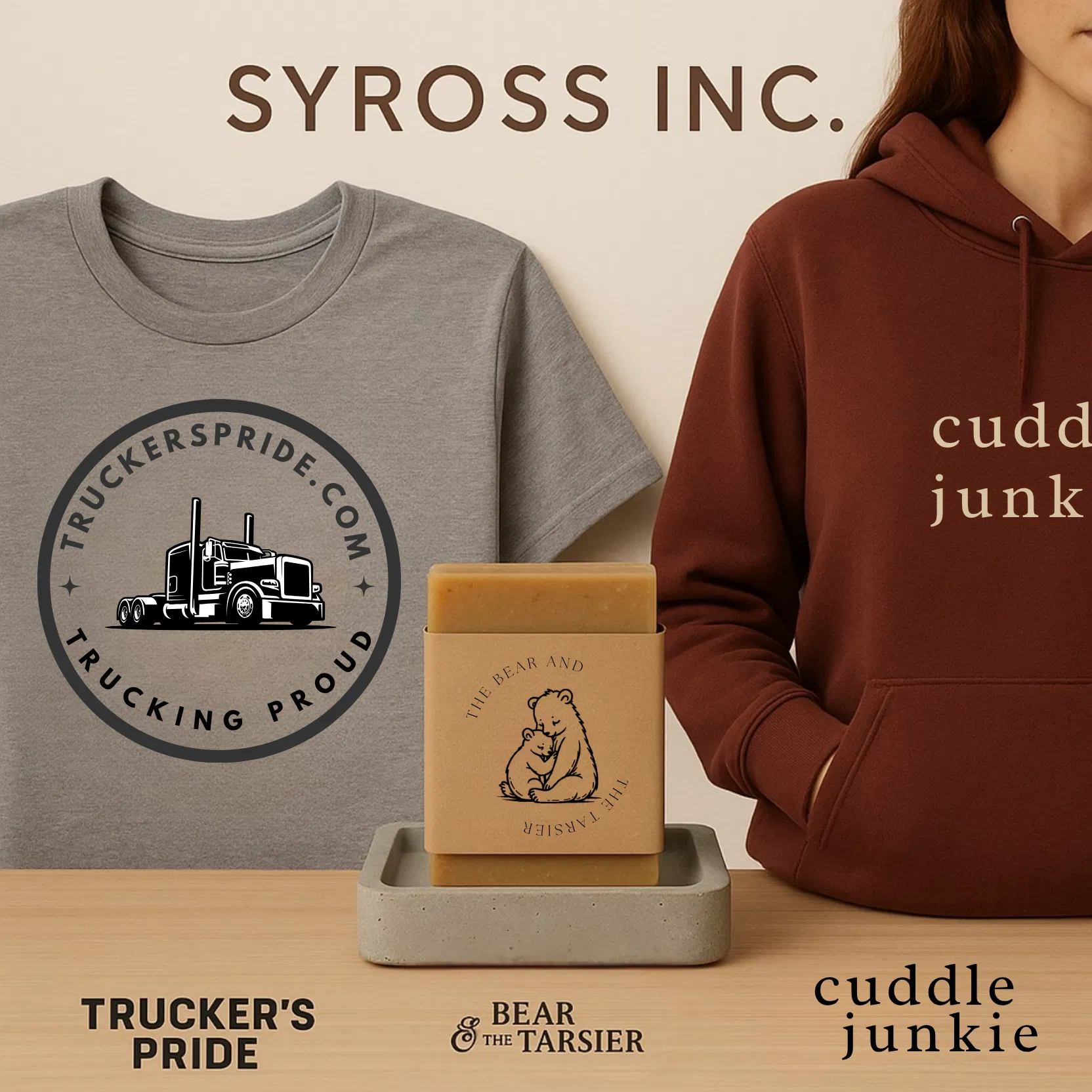
In many successful niche brands, founders remain the visionaries. They focus on the "what" and the "why," while trusted systems, tools, and service providers support the "how."
Keep these internal:
- Brand voice and creative vision.
- Product development and innovation.
- High-level strategic partnerships.
Outsource these for efficiency:
- Warehousing and order fulfillment.
- First-line customer support and returns.
- End-to-end supply chain logistics.
The Power of a Lean E-Commerce Tech Stack
In the modern landscape, your first "operations hires" should be software. A lean, integrated tech stack acts as a silent operations team that works 24/7. When scaling independent businesses, automation is the key to maintaining a premium customer experience without manual intervention.

Utilizing platforms like Shopify or BigCommerce is just the beginning. The true power lies in the automation layer: using tools like Zapier to connect your store with your CRM and helpdesk. This ensures that every order confirmation, shipping notification, and post-purchase follow-up is executed consistently and efficiently.
Furthermore, a comprehensive digital marketing strategy should be data-driven and largely automated. By setting up thoughtful email and SMS flows, you can nurture your community and drive repeat purchases without having to manually hit "send" on every campaign.
Mastering Fulfillment Without the Warehouse Headaches
One of the greatest barriers to scaling a niche brand is logistics. Managing inventory, picking and packing orders, and navigating international shipping is a full-time job. Many founders find their homes or small offices overrun with boxes, which is a clear signal that the operational model needs to evolve.

Outsourcing to a professional fulfillment partner can provide immediate operational stability. Your customers receive their orders faster, in well-packed parcels, while you avoid the fixed costs of a warehouse lease. This "on-demand" operational capacity means you only pay for what you use, allowing your brand to remain financially agile.
Whether you are shipping fragile handmade goods or large apparel orders, the quality of the delivery should match the quality of the product.
Why Shared Operational Resources Can Be a Strategic Advantage
There is a unique strength in building with support rather than trying to own every function internally. For many niche brands, shared resources, specialized contractors, and external partners can create a more stable operational foundation than hiring a large in-house team too early.
Whether you are building a lifestyle brand, a handmade goods business, or a comfort-focused apparel line, the backend requirements are remarkably similar. Fulfillment, inventory planning, customer support, and marketing systems all benefit from clear processes and scalable infrastructure.
This approach can help ensure:
- Brand Protection: A formal, organized approach to logistics, documentation, and compliance helps protect the customer experience and reduce avoidable risk.
- Operational Excellence: Clear supply chain and fulfillment processes help products get sourced, stored, and shipped with greater consistency.
- Sustainable Growth: Flexible support structures make it easier to reach a wider audience without the "growing pains" that often sink independent businesses.
Taking the Next Step in Your Growth Journey
Scaling your vision shouldn't mean sacrificing your peace of mind. By embracing an approach that prioritizes systems, automation, and thoughtful backend support, you can build a brand that is both impactful and sustainable.
For niche brand founders, the next step is often simple: audit where your time is going, identify repeatable operational tasks, and build a support structure that protects your creative energy for the work only you can do best.
With the right foundation, your brand can do more than grow; it can thrive.